
Baker’s top market day tips
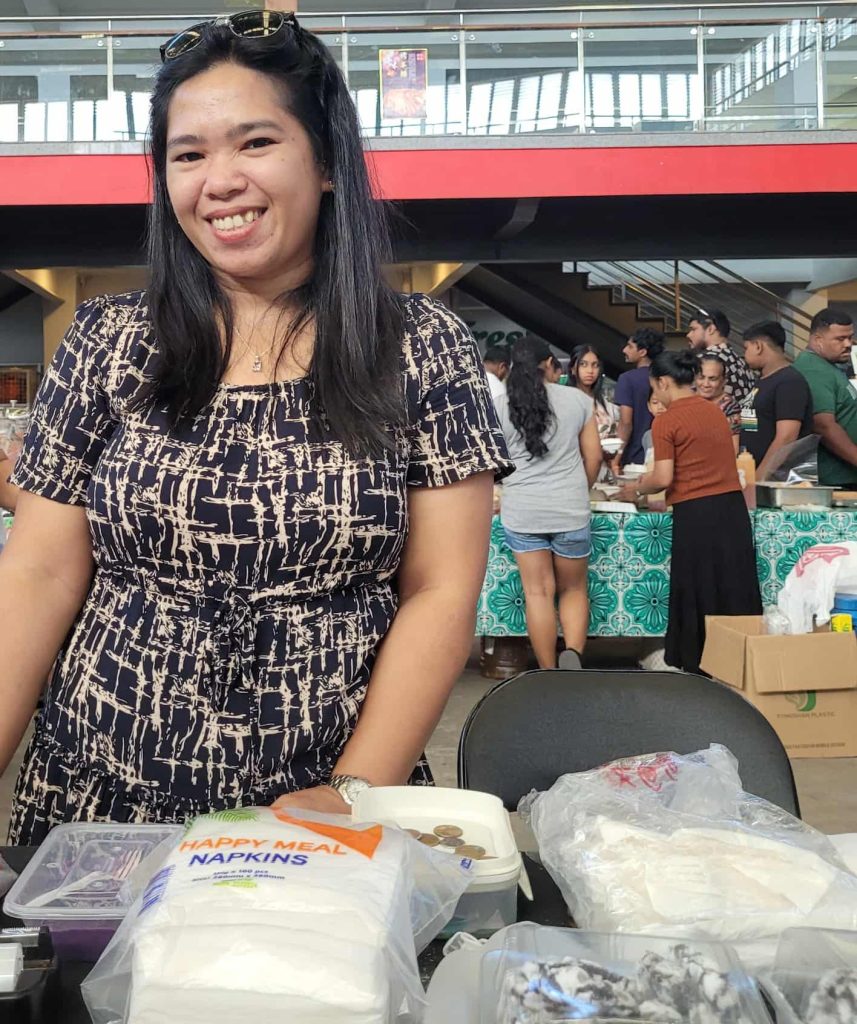
Pinoy Bakes owner Melody Dival shares her experience with Suva pop-up markets and her best advice for people starting their business.
By Jernese Macanawai
Pop-up markets have taken over Suva in recent years, and for many small businesses, they have become a critical part of their growth and success.
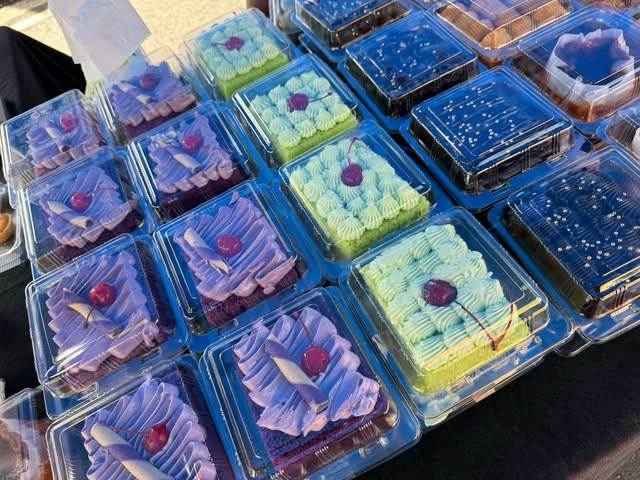
Pinoy Bakes is one of them. Melody Dival started her at-home Filipino bakery business, known then as Alex’s Kitchen, in 2018, offering a variety of pastries, including coconut macaroons, chocolate crinkles, chicken empanadas, and banana cakes. Over time, she included brownies, cassava cakes and beloved Filipino delicacies, such as her best-selling ube cakes and yema cakes.
Melody promotes and sells her baked goods on social media and on a “strictly pre-order basis”. She only started joining weekend markets in 2025, after resigning from her job of nine years at the High Commission of Malaysia to focus on growing Pinoy Bakes.
She joined The ROC Market in town first to boost business visibility and give customers a “more accessible, walk-in buying experience”.
The following month, Melody expanded to the Garden City Market Day in Raiwai. She now sells at the University of the South Pacific (USP) Pacific Market Day in Laucala once a month and, more recently, the MH Superfresh Market in Tamavua.
Preparing for markets
Preparations for markets always start days in advance. Melody buys all her ingredients and packaging typically in the same week and reviews her supplies two days ahead of time or in the middle of the week. She recommends this approach to maintain baking quality standards.
“I intentionally keep my product range limited to what I can freshly bake within that time, prioritising quality and freshness over quantity,” she explained.
Renting the perfect space
Small business owners should also be aware of the fees every market charges vendors, sometimes according to what they sell and the outdoor tent size they need. The cost of renting a space can range from $60 for a quarter of a tent at The ROC Market and $85 for the same-sized space at the Garden City Market Day, to $100 at the MH Superfresh Market and $120 for four days at the USP Pacific Market Day.
Some small businesses can afford to send a paid employee to set up shop on their behalf, but most of the time, the owners do the job themselves with some help from friends and family. Melody has made her small business very much a family business, often selling with her brother, and occasionally, her daughter.
Navigating pop-up costs and market requirements can be tricky for first-timers, but for Melody, the process so far has been smooth.
“Rent is somehow affordable,” she said. “And no challenges yet as market organisers are understanding and easy to work with.”
Pricing, sales & customer engagement
Unlike custom orders, settling on a pricing strategy that works for customers during market days can take some trial and error.
Melody chooses to “reduce portion sizes and keep prices more affordable” to allow her customers to explore the different baked options on sale. And although sales are important, Melody said her goals for markets are less about the numbers and more about providing a quality product and making her customers happy.
“We place greater value on ensuring that all our baked goods are fresh, so we do not overproduce.”
Those small but strategic decisions seem to have paid off. Melody said the business has grown as a result of her investment in pop-up markets, word of mouth, positive feedback and recommendations from satisfied customers and returning clients.
Turning baking into a business
Eight years into the business, Melody hopes her family can one day open their own coffee shop.
But for those who are just starting their bakery business, she has the following advice:
- Be approachable and aim to develop positive relationships with customers,
- Communicate order details clearly to prevent any dissatisfaction,
- Explain cake order specifics, including date and time, pick up or delivery option, ingredients and the factors that make some items more costly than others, and
- Even if failure costs time, money, and effort, we must keep trying and not give up. There is always something to learn, and opportunities are endless.
To find out what markets are on around Fiji, visit our events section.